
Cancer Health and Wellness Coach (Cancer Coach) Training Program

NBHWC approved training program badge.
Smiling older woman with short gray hair and glasses wearing a blue top.

Program Director:
Dr. Doris Howell

6 Asynchronous Self-Directed Sessions

9 Live Classroom Modules

2 Hour Capstone Evaluation

Total 82 Hours

Empower Lives with
Expert Cancer Coaching

The Cancer Health and Wellness Coach (Cancer Coaching) Training Program is comprised of 82 hours of interactive learning modules (18 hours of self-directed asynchronous sessions and 9 full day instructor-led online classes). This interactive, competency-based program incorporates experiential learning through live simulation sessions with patient actors, providing real-world practice to enhance decision-making, communication, and problem-solving skills

Smiling young man wearing glasses, a light blue turtleneck, and beige cardigan holding a folder against a teal background.

Skills You will Gain

Wellness Assessment

Cancer Self Management Support

Motivational Interviewing

Advanced Communication Skills

Health & Wellness Coaching

Positive Psychology Coaching
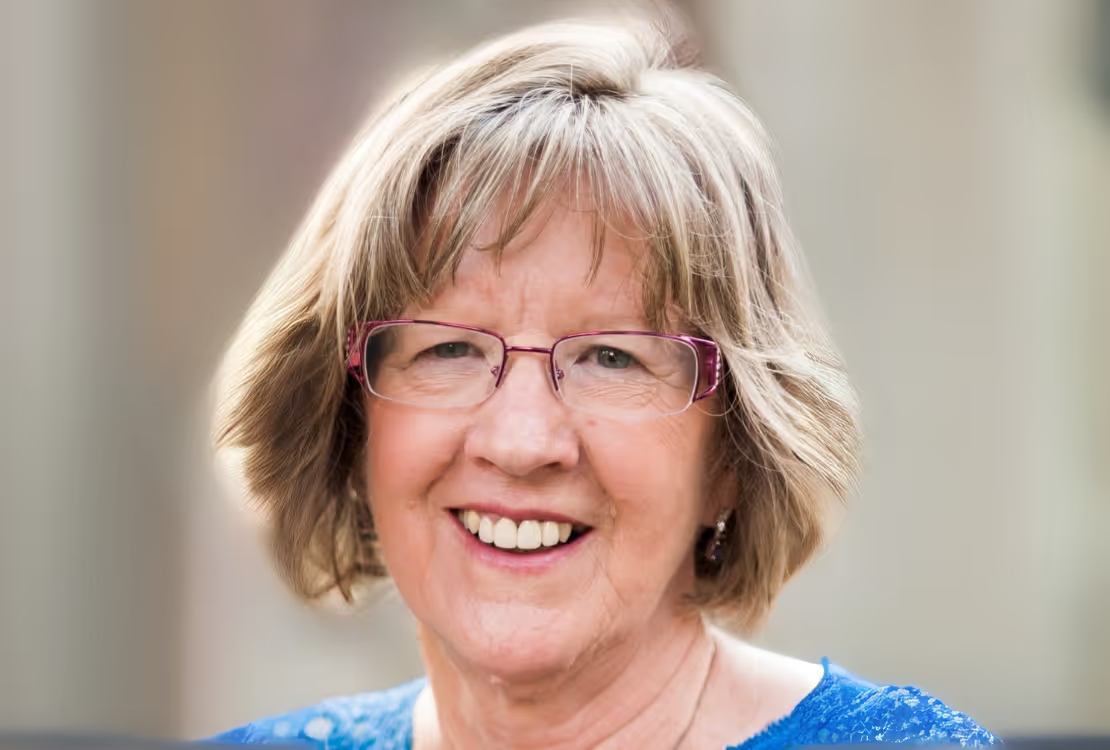
Smiling elderly woman with short light brown hair and glasses wearing a blue top.

Healthville Advantage

NBHWC Accredited Course - Healthville’s Cancer Health & Wellness Coach Training Program stands apart for its depth, credibility, and real-world connection. Unlike general wellness or coaching courses, Healthville is fully NBHWC-accredited and designed specifically for those supporting individuals living with and beyond cancer. Graduates gain board eligibility and national recognition

Course designed by an Emeritus Scientist, Dr. Doris Howell from the World Renowned Princess Margaret Research Institute in Canada and expert in Health and Wellness Coaching

Experiential Learning

Refine and validate your skills through practical assessments, including one-on-one summative evaluations and live small-group simulations with patient actors.

At the program’s conclusion, receive personalized skills assessments with instructor feedback on health and wellness coaching competencies. Engage in realplay simulations, stepping into the role of a health & wellness coach in real-world scenarios. A facilitator will provide guidance, insights, and constructive feedback throughout the process.

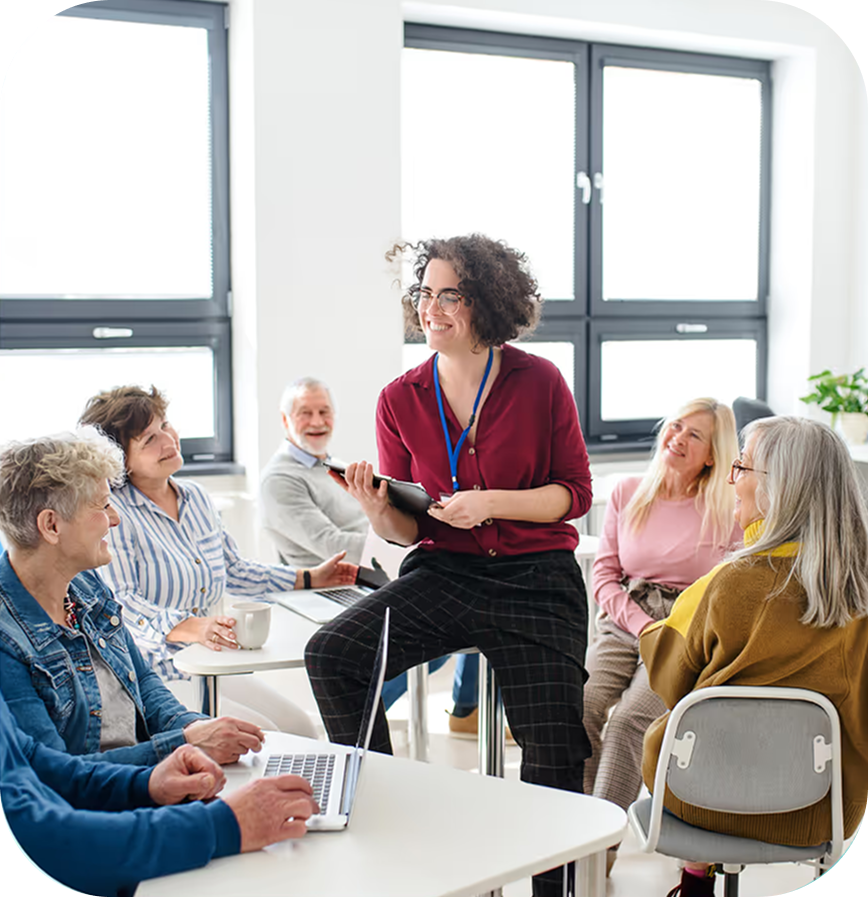
Group of older adults engaged in a lively discussion with a younger woman holding a tablet in a bright room.

Journey to Healthville Cancer Coach

Take the Online Training

You can complete the course within three months, seamlessly progressing through a structured learning journey that includes instructor-led sessions, self-paced asynchronous modules, and hands-on experience with standardized patients.

Launch Your Coaching Practice with Healthville

As a Healthville Cancer Coach, you become an integral part of our Cancer Managed Services Ecosystem, gaining full access to our worldwide cancer patient network and the Healthville Service Platform.

This allows you to seamlessly engage with patients, apply your coaching expertise in real-world scenarios, and leverage our tools and resources to provide personalized, high-impact support.

Join us Full-time

Select graduates will have the exclusive opportunity to join Healthville as full-time Cancer Coaches. With us, advance into leadership roles, including becoming a Cancer Coach Trainer, where you can mentor and shape the next generation of Cancer Coaches, further expanding your impact within the Healthville ecosystem.

Start Your Own Practice

Expand your impact and elevate your practice by integrating Cancer Coaching into your existing patient care model or by launching a brand-new Cancer Coaching practice from the ground up.

Whether you’re a healthcare provider looking to enhance your services with specialized cancer support or an entrepreneur eager to build a meaningful, patient-focused practice, our program equips you with the expertise, tools, and ecosystem access to succeed.

Mentoring

For the First 25 registrants in 2025, receive three personalized mentoring sessions with a certified Cancer Coach, designed to support your transition into practice.

Mentorship will be comprised of three online sessions; and you may choose an area of focus for skill building and/or discussion of your career directions

These sessions can be scheduled within three months of completing your certification program

How will you benefit

Trusted Path to Board Certification

The Healthville Cancer Health and Wellness Coach Program is one of the most comprehensive and credible training programs available for those looking to support cancer patients holistically

Career Advancement
in Cancer Coaching

Leverage your existing knowledge to launch, upskill, or enhance your career focused on cancer care coaching.

Whole Person
Assessment Skills

Describe and apply the essential elements of a whole person cancer, health history, and self-management capability assessment for identification of collaborative problem-identification

Master Behavioral Change and Health Promotion Strategies

Enhance your practice with a cancer-focused model of care that can be implemented and scaled within your organization or private practice.

Access to Healthville Cancer Support Ecosystem

Exclusive access to Healthville's growing support ecosystem of patients and support providers.

Professional
Certification

You have the opportunity to earn at the end of the program, on successful completion of all mandatory requirements – a NBHWC recognized Cancer Health and Wellness (Cancer Coach) Certificate of Completion.

Entry Requirements:

A regulated health professional with an active license practicing in fields such as nursing, psychology, kinesiology, chiropractic, dietetics, homeopathy, TCM/acupuncture, naturopathy, medicine, etc., OR working in primary care, community care, specialty clinics, hospitals, pharmacies, and other clinical settings.

An internationally educated health professional (e.g., Internationally Educated Nurses (IENs), International Medical Graduates (IMGs)) holding an active license from their home country.

Professionals holding a bachelor's degree in a health-related field (e.g., public health, health promotion, psychology (unlicensed), kinesiology (unlicensed), with a strong academic foundation in human anatomy, physiology, and the pathophysiology of chronic conditions acquired through university or college-level coursework. Additionally, they possess practical experience working within the healthcare sector, applying their knowledge in clinical or community health settings.

Applicants without a healthcare license may be considered if they hold a degree and have at least two years of experience in the health and wellness coaching field.

OTHER REQUIREMENTS:
All programs at Healthville are delivered in English. It is the participant’s responsibility to ensure they meet the required language proficiency before enrolling. Applicants may be required to provide proof of their English language proficiency as part of the registration process.

Become a Certified
Cancer Coach

From anywhere in the world

Course Price
CAD $4,950
9 Live Classroom Modules
6 Asynchronous Self-Directed Sessions
82 Total Hours
Eligible to register as a professional cancer coach on HealthVille Support Ecosystem.
3 Personal Sessions with a Mentor - After the course

FAQs

Find answers to common questions about our Cancer Coach Training Program.

Why choose to become a Cancer Health & Wellness Coach?

Becoming a Cancer Health & Wellness Coach is more than a career choice—it’s a commitment to lifelong learning, mastery, and a passion for making a meaningful impact on the lives of those affected by cancer. As a rapidly emerging profession, cancer coaching offers both financial opportunities and a deeply rewarding career path. Whether you choose to build an independent coaching practice, integrate your expertise into medical or health-related settings, or join Healthville’s global ecosystem of cancer coaches, you’ll be equipped to empower individuals and families through expert guidance and compassionate support.

Does the program count towards continuing education units required by my health professional regulatory college or association?

Our cancer coaching program may be eligible to count towards continuing education activities required by your health professional regulatory college or association. Healthville will provide you with a certificate of completion that includes hours of training completed that you can submit to your college but we do not submit documents directly. Please check the specific requirements of your college for eligibility as they may differ by profession and region.

Why does NBHWC accreditation matter?

The NBHWC accreditation certifies that our program meets the highest industry standards, ensuring a rigorous, evidence-based, and client-centered approach to health and wellness coaching. This recognition guarantees that students receive a comprehensive education that prepares them to deliver effective, professional coaching. Upon completing the course modules, graduates will be eligible to sit for the NBHWC exam, earning the prestigious National Board Certified Health & Wellness Coach (NBC-HWC) credential, which enhances credibility and expands

Who is eligible for this course?

This course is designed for regulated health professionals with a university or college degree in fields such as nursing, medicine, psychology, social work, dentistry, health promotion, kinesiology, occupational therapy, physiotherapy, nutrition, or other health-related disciplines. Internationally trained medical doctors are also eligible.
Applicants without a healthcare license may be considered if they hold a degree and have at least two years of experience in the health and wellness coaching field.

How is the Program Delivered?

Our program follows a hybrid learning model, combining self-paced (asynchronous) learning with live, interactive online sessions (synchronous via Zoom) for a comprehensive and flexible learning experience.

The self-guided component—completed in the four weeks prior to online classes—focuses on the unique health challenges, self-management strategies, and concerns of individuals across the cancer continuum (prevention, treatment, survivorship, and advanced disease).

The live online classes incorporate a multi-modal learning approach, including instructor-led lectures, peer practice, demonstration videos, pre-readings, coaching simulations, and interactive exercises to support diverse learning styles.

A standout feature of our program is simulated learning, where participants engage in real-life cancer coaching scenarios with trained actors portraying patients facing cancer-related health challenges, ensuring practical, hands-on experience in a safe, supportive environment.

Who Are the Course Instructors?

Our instructors are globally recognized educators, researchers, and practitioners with expertise in cancer, nursing, kinesiology, and psychology. They have made significant contributions to their fields and are deeply committed to advancing cancer care through evidence-based health coaching.

With extensive practical experience in supporting individuals with cancer, our faculty members bring cutting-edge insights into the unique health challenges faced across the cancer continuum. Many hold specialized certifications, including:

Motivational Interviewing Network Trainers (MINT)
Pre-habilitation & Exercise Specialists
Certified Psychotherapists
Each instructor is dedicated to enhancing student learning through expert guidance, interactive training, and hands-on coaching techniques. You can explore their credentials and professional backgrounds in the course descriptions on our website. CLICK HERE to learn more about our instructors.

How do I Apply for This Program?

Applying is simple! Contact us through our website, and our Training Coordinator will personally reach out to:
- Answer any questions you may have
- Provide guidance on the application process
- Send you the enrollment form
Once your eligibility is confirmed, you will be required to submit a deposit toward the full tuition payment. Before the course begins, you will be scheduled for an orientation session, ensuring you are fully prepared for the program.

What is the Class Schedule & Size?

Our classes are intentionally small, typically accommodating 10 to 15 students, with a maximum cap of 20 to ensure personalized instruction and an interactive learning environment.

- After completing the self-paced (asynchronous) component, you will attend 9 weekly online classes, each lasting 7.5 hours per day.  
- The total instructional time for the course is 82 hours, with an additional 1-2 hours of out-of-class study per week.  
- At the end of the program, you will complete a multiple-choice test and participate in a 2-hour simulated cancer coaching session, where your health and wellness coaching competencies will be evaluated on a pass/fail basis.

How Much Hands-On Practice Will I Get?

Our program is designed to provide extensive hands-on experience in health and wellness coaching, ensuring you build confidence and proficiency in real-world applications.

✔ Integrated Coaching Practice: Each course module includes guided skill-building exercises to reinforce coaching techniques.

✔ Peer Coaching Sessions: You will complete two structured peer coaching sessions to refine your approach in a supportive environment.

✔ Half-Day Live Coaching Practice: Participate in a dedicated in-class coaching session with peers, where you will apply techniques learned throughout the course.

✔ Full-Day Simulated Coaching Experience: Engage in realistic coaching simulations with a trained standardized cancer patient, allowing you to develop, test, and refine your coaching skills in a safe, supervised setting.

This structured progression of practice-based learning ensures you gain practical expertise, preparing you to confidently support individuals facing cancer-related challenges.

What Resources Will I Have as a Student?

As a student, you’ll have access to a comprehensive suite of learning resources designed to support your growth, both during and beyond the course.

✔ Extensive Course Materials: Includes lecture notes, supplementary readings, interactive learning modules, and industry-leading coaching tools.

✔ Case Studies & Skill Development: Each class integrates real-world case studies, coaching simulations, and hands-on practice to reinforce learning.

✔ User-Friendly Online Learning Platform: Easily accessible anytime, allowing you to review materials, revisit lessons, and track progress at your own pace.

✔ Ongoing Mentorship: 3 mentoring sessions are included. You may opt for more mentorship support to further develop your coaching expertise (available for an additional fee).

Our goal is to provide everything you need—from foundational knowledge to practical application and post-course support—ensuring you’re fully equipped for success as a Cancer Health & Wellness Coach.

What Career Opportunities Are Available After Completing the Course?

Health and wellness coaching is a versatile and in-demand skill set, opening doors to a wide range of career opportunities across healthcare, corporate, and private sectors. As a certified Cancer Health & Wellness Coach, you can apply your expertise in:

✔ Private Practice: Establish your own independent coaching business, offering personalized cancer coaching and wellness programs.

✔ Healthcare & Rehabilitation Centers: Support patients as part of integrative oncology teams, survivorship care programs, or rehabilitation services in hospitals and clinics.

✔ Corporate Wellness Programs: Work with organizations, insurance providers, or employee wellness initiatives to promote cancer prevention, recovery, and resilience strategies.

✔ Fitness & Wellness Centers: Integrate cancer coaching into lifestyle medicine, exercise oncology, and holistic wellness programs.

✔ Nonprofits & Community Health Initiatives: Partner with cancer support organizations and advocacy groups to provide education, coaching, and emotional support to individuals affected by cancer.

✔ Healthville is always looking to hire Cancer Coaches, in full time or consultant roles.

Whether you pursue an entrepreneurial path, clinical role, or corporate position, this certification equips you with the skills to make a meaningful impact in the lives of those affected by cancer

How is this course different from other courses

**Mentorship**
As a participant in the Health and Wellness Coach (Cancer Coach) Training Program we value our commitment to helping you grow and achieve your goals to be the best coach you can be, to help people with cancer to optimize their health and wellness. Our mentorship support will focus on supporting you in deepening your coaching skills through one-on-one practice with one of our instructors or a practicing Healthville cancer coach, and/or offering career advice. Mentorship will be comprised of three online sessions; and you may choose an area of focus for skill building and/or discussion of your career directions

Payment & Refund Policy

The total course fee is CAD$4,950, with an initial deposit of CAD$495 required at the time of registration. The remaining balance is due before the course start date.

Refund Policy:

If we must cancel the course—for example, due to insufficient enrollment (minimum of four students)—you will receive a full refund. If you request a refund, the following policies apply:

Refund Deadlines:

Refund requests must be submitted before the course begins. The earlier the request, the higher the refund eligibility.

Refund Amounts:

Full refunds may be available for early requests.
Partial refunds may apply for later requests.
No refunds will be granted beyond a certain deadline.
Administrative Fees: A processing fee may be deducted from refunds to cover administrative and enrollment costs.
Processing Time: Refunds will be issued via the original payment method and may take a certain period to reflect in your account.
For further details or to request a refund, please contact info@healthville.ca

Testimonials

"As a palliative care physician trying to think of how to move supportive and palliative care upstream, the cancer coach training program was definitely practice-changing as I re-imagined how we needed a paradigm shift from a reactive stress-illness mindset at the end of life to a proactive wellness approach in the earlier part of the serious illness journey."

Grace Yang Meijun

"The Cancer Coaching course was a knowledgeable and fulfilling educational experience. As an allied health professional, it was very beneficial to be a part of a diverse group of learners coming from different professional and educational backgrounds. Further by having it as a distance course I was able to participate with other working and learning professionals throughout the country. Doris did an incredible job facilitating discussions and pushing us to use the tools that were taught in the first half of the course. "

Julia Campbell

"I completed the Certification in Cancer Coaching facilitated by Doris Howell. It was an informative, motivating and truly inspiring course and experience. Completing the course has empowered me to make professional changes to my nursing practice to enhance the quality of care given to patients and their support networks. Doris is very knowledgeable and supportive with her teaching approach. I highly recommend all Oncology Nurses to complete this certification to improve the overall health experience and outcomes for Cancer patients"

Alley Vause

Program at a Glance

An intensive cancer coaching program designed to equip you with the skills, knowledge, and confidence to guide patients through their healing journey.

Cancer Health and Wellness Coach Program Schedule
January - May 2026 (All times are EST)

Date

Time (EST)

Topic

Instructor

Jan  28

12:00  PM

Welcome and Orientation to Course - on Zoom

Dr. Doris Howell

Self-Paced  Course Component (18 hours)

Jan 28 – Feb 25

Self-paced

Six self-paced, online sessions for completion over  4 weeks

NA

Live  Instructor-Led Course Component (64 hours instructional time)

Feb 25, Wed

1 –5 PM

Module 1: Coaching Structure and Fundamentals  of Cancer Health and Wellness Coaching

Dr. Doris Howell

Feb 28, Sat

10 AM – 2 PM

Module 1 Continued: Coaching Structure and  Fundamentals of Cancer Health and Wellness  Coaching

Dr. Doris Howell

Mar 4, Wed

1  – 5 PM

Module 2: Whole Person and Wellness  Assessment and Coaching Formulation

Dr. Doris Howell

Mar 7, Sat

10  AM – 2 PM 

Module 2 Continued: Whole Person and Wellness  Assessment and Coaching Formulation

Dr. Doris Howell

Mar 11, Wed

1 –5 PM

Module 3: Motivational Interviewing and  Consolidation of Advanced OARS Skills

Dr. Maya Obadia

Mar 25, Wed

1  – 5 PM

Module 3 Continued: Motivational Interviewing and  Consolidation of Advanced OARS Skills

Dr. Maya Obadia

Mar 28, Sat

10 AM – 2 PM

Module 4: Psychology of Health Behaviour Change  and Readiness to Change

Dr. Doris Howell

Apr 1, Wed

1  – 5 PM

Module 5: Consolidation of Coaching Skills: Peer  to Peer Practice Sessions

Dr. Maya Obadia or Dr. Doris Howell

Apr 8, Wed

1 –5 PM

Module 6: Lifestyle Behaviour Change Coaching to  Optimize Health and Survival

Dr. Daniel Santa Mina

Apr 11, Sat

10 AM – 2 PM

Module 6 Continued: Lifestyle Behaviour Change  Coaching to Optimize Health and Survival

Dr. Daniel Santa Mina

Apr 15, Wed

1 –5 PM

Module 7: Setting Goals and Implementing Action  Plans for Behaviour Change

Dr. Doris Howell

Apr 18, Sat

10 AM – 2 PM

Module 7 Continued: Setting Goals and  Implementing Action Plans for Behaviour Change

Dr. Doris Howell

Apr 22, Wed

1 –5 PM

Module 8: Management of Cancer Stress/  Emotional Distress and Enhancing Coping

Dr. Doris Howell

Apr 25, Sat

10  AM – 2 PM

Module 8: Continued: Management of Cancer  Stress/ Emotional Distress and Enhancing Coping

Dr. Doris Howell

Apr 29, Wed

10 AM – 2 PM
1 – 5 PM

Module 9: Experiential Learning: Practical  Application of Health and Wellness Coaching Skills

Dr. Doris Howell
6 hours

April  30
May 1
May 2

2-hour  time slots

Capstone Evaluation of Competencies (each  student selects one 2-hour session)

Dr. Doris Howell

Fall Session: September 2025 Ongoing

Date

Time

Topic

Instructor

Sept 3 2025

17:00-19:00 (ET)
LMS Opens

Orientation to Course and Learning Management System Zoom Meeting

Dr. Doris Howell

Asynchronous Course Component (18 hours)

Sept 3 to Oct 1

Self-Guided

Six asynchronous, faculty-narrated, self-guided sessions for completion over 4 weeks (about 3 hours each, 18 hours)

Dr. Doris Howell

Synchronous Virtual Online Course Component (74 hours)

Wed, Oct 1

09:00-12:30 (ET)
13:00-16:30 (ET)

Module 1: Coaching Structure and Fundamentals of Cancer Health and Wellness Coaching

Dr. Doris Howell

Wed, Oct 8

09:00-12:30 (ET)
13:00-16:30 (ET)

Module 2: Whole Person and Wellness Assessment and Coaching Formulation

Dr. Doris Howell

Wed, Oct 15

09:00-12:30 (ET)
13:00-16:30 (ET)

Module 3. Basics of Motivational Interviewing and OARS Skills

Dr. Maya Obadia

Wed, Oct 22

09:00-12:30 (ET)
13:00-16:30 (ET)

Module 4. Psychology of Health Behaviour Change and Readiness to Change

Dr. Maya Obadia

Wed, Nov 5

13:00-16:30 (ET)

Consolidation of Coaching Skills: Peer to Peer Practice Sessions

Dr. Doris Howell

Wed, Nov 12

09:00-12:30 (ET)
13:00-16:30 (ET)

Module 6. Lifestyle Behaviour Change Coaching to Optimize Health and Survival

Dr. Daniel Santa Mina and Holistic Nutrition Instructor

Wed, Nov 19

09:00-12:30 (ET)
13:00-16:30 (ET)

Module 7: Setting Goals and Implementing Action Plans for Behaviour Change

Dr. Doris Howell

Wed, Nov 26

09:00-12:30 (ET)
13:00-16:30 (ET)

Module 8 A: Management of Cancer Stress/Emotional Distress and Enhancing Copin

Dr. Doris Howell

Wed, Dec 3

09:00-12:30 (ET)

Module 8 Cont’d. Coaching Clients with Serious Illness for Recovery and Thriving

TBD

Wed, Dec 3

13:00-16:00 (ET)

Consolidation of Practice Skills: Peer to Peer Practice and Mentor Coaching

Dr. Doris Howell and
Dr. Maya Obadia

Wed, Dec 10

09:00-12:30 (ET)
13:00-16:30 (ET)

Module 9: Experiential Learning: Practical Application of Health and Wellness Coaching Skills

Dr. Doris Howell

Capstone Evaluation

Dec 10-17

2-hour Time Slots

Capstone Evaluation of Competencies (each student selects one 2-hour session). Schedule will be posted online.

Dr. Doris Howell

Self-paced Learning

18 hours of self-paced learning, led by Dr. Doris Howell, providing foundational knowledge and practical insights for cancer coaching.

Session 1 (AS): Cancer Chronicity and Self-Management Tasks Across Phases

In this module, you will learn about the prevalence and risk factors for common chronic diseases (e.g. diabetes, cardiovascular) and conditions (i.e. arthritis, obesity) including metrics and medical red flags, and the role of inflammation. Additionally, the context of cancer as a complex, dynamic chronic illness and long-term health challenges (physical and psychosocial). Risk factors and prevention/health promotion priorities are highlighted. The role of health behaviours in reducing risks for chronic diseases (i.e. metabolic syndrome, weight gain, obesity, etc.) and cancer population specific late-effect risks (e.g. second cancers (i.e. leukemia), and for other chronic diseases (i.e. cardiovascular disease, diabetes, arthralgias, etc.) are also examined.

Session 2 (AS): Cancer Health and Wellness Coaching Structure and Process

In this module, you will learn about the theories underpinning health and wellness coaching science. You will learn about the essentials of coaching for self-management and the intersection between coaching and patient navigation in a proposed framework for cancer coaching. The structure of coaching and coaching process for brief clinical encounters (e.g. 5As model for self-management coaching) and the tasks and core skills of self-management are discussed and its application to health and wellness coaching. Emphasis will be placed on shifting from usual healthcare professional roles as expert to collaborative, coaching partnerships for health behaviour change applied to cancer populations. The intersection between health literacy and patient activation will also be explored.

Session 3 (AS): Cancer and Health Coaching Communication Skills

In this module, you will learn about the principles of person-centered communication as fundamental to establishment of a collaborative partnership and a therapeutic coaching alliance to promote health behaviour change. An overview of the principles and SPIRIT of motivational interviewing and basic skills of communication based on motivational interviewing techniques of OARS will be highlighted. The communication skills emphasized include OARS (open-ended questions, simple and complex reflection, double-sided reflections, periscope, paraphrasing and summarizing) along with specific approaches to identify strengths and challenges of health behaviour change in cancer as a complex, dynamic chronic disease.

Session 4 (AS): Coaching for Self-Management of Acute Cancer Treatment Effects

In this module, you will learn about self-management support and fundamental skills for coaching patients in use of problem-specific symptom self-management behaviours to address treatment side-effects i.e. cancer fatigue, pain, sleep disturbance and self-monitoring for patient recognition of serious treatment toxicities in the acute phase of cancer; and for adjusting daily healthy behaviours (i.e. smoking cessation, medication adherence). The 5As coaching process is applied for assessment/engaging, guiding shared agenda setting and focus, setting goals and action planning, making decisions, recognizing ambivalence and scaling importance and confidence, and brief motivational interviewing skills for integration in clinical practice. Common sense models will be examined to understand role of symptom interpretation on behaviours.

Session 5 (AS): Coaching for Healthy Lifestyle Behaviour Change in Survivors

In this module, you will learn about the evidence-base and recommendations for healthy lifestyle behaviours (healthy eating, physical activity/sedentary behaviour, smoking cessation, alcohol consumption) and their application to managing health risks in the general population and applied to long-term and late effects in post-treatment survivorship. You will learn the basics of Version, January 27, 2025 healthy diet eating plates (US, Canada), physical activity, healthy sleep behaviours, and substance abuse and compare differences in healthy eating plates in US (Harvard, CDC) with Canada guidelines. Additionally, you will become familiar with evidence-based recommendations for healthy lifestyle behaviours specific to cancer survivor populations.

Session 6 (AS): Health Coaching Liability, Legal Implications, Standards and Code of Ethics

In this module, you will learn about the liability and legal implications that need to be considered in the delivery of health and wellness coaching and the context of employment and independent or solo practice and vis a vis health care professional regulatory body. Discussion of scope of practice and professional and regulatory disciplinary obligations to clients who require additional support i.e. psychotherapy or identify suicidal ideation, etc. The Code of Ethics and Standards of Practice for the International Coaching Federation and the National Board for Health and Wellness Coaching will be discussed and their application in coaching. The considerations for telephonic, dual practices, group coaching, and issues of privacy are also highlighted.

Synchronous Virtual Online Classroom Learning

Live, instructor-led sessions designed to provide interactive, real-time learning and peer collaboration.

INTRODUCTION:

The live, instructor-led sessions are delivered through e-learning and a Zoom web conferencing classroom and include blended learning methods (pre-readings with reflective learning, micro- skills practice sessions, slides/lecture interactive). The synchronous sessions will be 7.5 hours in length weekly plus a 2-hour capstone evaluation (9 Modules-69.5 hours). A final 2 hour simulated practice session with standardized cancer patient/survivor actors. Each individual learner also completes a final practical skills assessment (capstone evaluation) simulating a full coaching session to assess NBHWC competencies at the end of the program. This final practical skills assessment is during an assigned 2-hour timeslot (3-20 minutes sessions with asynchronous instructor feedback of 60 minutes for total of 2 hours for successful/unsuccessful (pass/fail). Trained standardized patients are simulated clients.

Module 1: Coaching Structure and Fundamentals of Cancer Health and Wellness Coaching (7.5 hours). Instructor: Dr. Doris Howell

In this session, you will learn about the definitions and structure of health and wellness coaching and the fundamentals of the health and wellness coaching process with an emphasis on its applicability to cancer populations at different phases of the cancer trajectory. The cancer health and wellness coaching process is based on a strength-based approach, the underpinnings of positive psychology and focuses on client values, goals and actions, within a coaching framework and a client-centred collaborative relationship and therapeutic alliance between client and coach that supports their autonomy, self-efficacy, and the growth potential of the client.

Module 2: Whole Person and Wellness Assessment and Coaching Formulation (7.5 hours) Doris Howell

We provide an overview of whole person assessment based on a biopsychosocial-spiritual framework and wellness models and tools that can be used in the assessment process. We explore the Travis Illness-Wellness Continuum and the predisposing and perpetuating factors contributing to illness/wellness in cancer, life context and the personal, disease and social determinant factors that impact on self-management, health behaviors, and wellness. We discuss differentiation between wellness and well-being in cancer population. The risk factors for disability, morbidity and mortality in cancer are also explored. You will apply agenda setting and formulate a coaching plan based on the patient’s priorities, values, strengths and comprised of short-term and long-term health outcome goals.

Module 3: Motivational Interviewing and Consolidation of Advanced OARS Skills Communication Skills  (7.5 hours). Instructor: Dr. Maya Obadia

In this module you will learn the principles, processes and practice of Motivational Interviewing and its application with cancer clients. The Gordon Communication Model is elaborated and skills to facilitate coaching conversations. Emphasis will be placed on consolidation of MI and application of advanced skills in OARS including complex reflections (amplified, double sided,metaphor, periscope reflections) adding feelings to complex reflections, reframing reflections,perspective shifts and insights). Additionally, skills for evoking change talk as the driver of behavioural change and softening sustain talk and rolling with resistance will be applied.

Module 4 PART A: Psychology of Health Behaviour Change and Readiness to Change (3.75 hours) Instructor: Dr. Doris Howel

The Transtheoretical Model or Stages of Change Theory will be discussed and its application for assessing readiness for change and the specific techniques tailored to each client’s stage of change to promote change. Additionally, Social Cognitive Learning Theory and its application to learning mastery will be discussed. We will discuss the role of neuroplasticity in behaviour change and skills and techniques to be applied in changing and adopting new habits. Skills and techniques of using decision-balance scales and Motivational Rulers to assess readiness,motivation to change and confidence.

Module 4 PART B: Advancing Your Skills for an Effective Response to Change and Sustain Talk (3.75 hours). Instructor: Dr. Maya Obadia

In this session, you will take a deeper dive into change talk as the driver of behaviour change and differentiating from sustain talk. You will be provided with evidence for how change talk plays a role in health behaviour change and improved health outcomes. You will get an opportunity to be selective in which information is exchanged in an MI adherent fashion using the technique of elicit-provide-elicit. The art of softening sustain talk will be covered. You will have an opportunity to practice responding to change talk using your OARS with a focus on complex and double-sided reflections as the mechanism of reinforcing change talk.

Module 5 PART A : Deepening Consolidation of Skills for Rolling with Resistance (3.75 hours) Instructor: Dr. Maya Obadia

You will practice and demonstrate use of readiness to change and scaling of importance and commitment and apply various techniques to rolling with resistance. The specific tools that will be used include values sort cards, decisional balance, querying extremes. This module will provide you with an opportunity to practice with each other being “difficult” clients; and rolling with resistance. Dealing with discord in the coaching encounter will also be discussed.

Module 5 PART B: Consolidation of Coaching Skills: Peer to Peer Practice Sessions (3.75 hours)Instructor: Dr. Doris Howell and a co-facilitator

This session provides participants with an opportunity for peer practice in a safe and secure classroom environment. Cancer use client case scenarios will be discussed and students guided in application of coaching competencies in role-playing these cancer cases through practice with peers in role of coach and client. Synchronous instructor feedback is provided to each student based on skills observed in the coach role. A total of 20 minutes of feedback to each individual student.

Module 6: Lifestyle Behaviour Change Coaching to Optimize Health and Survival (7.5 hours). Instructor: Dr. Daniel Santa Mina

In this session, you will deepen your knowledge of the role of lifestyle medicine and current evidence-based recommendations (e.g. Centre for Disease Control, National Institute of Health, American Sports Medicine) for healthy lifestyle behaviours to reducing risks for chronic diseases and conditions (e.g. obesity); and their relevance to cancer populations. Health promotion and prevention through healthy eating and for management of long-term physical effects of cancer treatment and for mitigating late effect risks (i.e. metabolic syndrome, smoking, nutrition, obesity, diabetes, arthralgias/arthritis will be examined. Health coaching skills for facilitating healthy lifestyle behaviour change and goal setting will be emphasized and the role of lifestyle medicine in chronic diseases and for optimizing cancer survival.

Module 7: Setting Goals and Implementing Action Plans for Behaviour Change (7.5 hours) Instructor: Dr. Doris Howell

Transforming values and desires into action. Goal setting science within a health and wellness coaching context is introduced. Evidence-based techniques for designing effective goals and what matters most to the client. Guiding the client in selection of self-monitoring measures; and the role of outcome measurement for self-monitoring and accountability in the coaching process and application in follow-up sessions to avoid shame and build self-efficacy. Concept application will include use of rulers for scaling importance and confidence and coaching clients in problem- solving obstacles and identification of support systems to follow through with goals and actions and supporting lasting change. You will apply goal setting using the SMART approach

Module 8: Management of Cancer Stress/Emotional Distress and Enhancing Coping Skills (7.5 hours). Instructor: Dr. Doris Howell

In this session, you will learn about stress and emotional distress and the application of health and wellness coaching to support clients in the management of stress, emotional wellness, and how emotional states impact on health behaviors. You will learn about how to apply MI processes to support clients with stress and facilitate positive thinking/resilience and coping behaviors, reframing negative emotions and building the persons navigation skills to access social networks and peer support resources. You will guide clients in structured problem-solving and apply principles of a solution-finding coaching approach based on the underpinnings of positive psychology, strengths-based coaching process, and using the mind to manage stress. We will examine the scope of coaching, understand differences between coaching and therapy and responding to case situations such as suicidal ideation and mental health; and how to refer patients for additional counseling or help. The importance of self-care for the coach and strategies will also be examined.

Module 9: Experiential Learning: Practical Application of Health and Wellness Coaching Skills (7.5 hours) Doris Howell

You will further deepen your knowledge and skills in the application of NBHWC health and wellness coaching competencies inclusive of integrating communication skills to engage patients, support them in setting a vision for health and wellness, coaching for health behaviour change and apply Motivational Interviewing processes/communication skills to cancer cases in client simulations. This session provides each student with an opportunity to practice their health and wellness coaching skills and NBHWC Version, January 27, 2025 competencies with feedback from peers and instructors. This is an all-day simulated coaching practice session with two standardized patients (one in am, one in pm) experiencing different health challenges i.e. physical activity and managing stress and emotions). Students coach the client for two, 20-minute coaching sessions (one session in am, one session in pm). Synchronous instructor feedback of 30 minutes is given to each student immediately following their simulation in role of coach (15 minutes am and 15 minutes pm).

CAPSTONE EVALUATION

A comprehensive final assessment to demonstrate your coaching skills, knowledge, and readiness for certification.

Evaluation Process:

Final NBHWC Practical Skills Assessment through Live Virtual Simulation with Standardized Patients (2 hours – Students sign up for individual online appointment). The final capstone evaluation will allow students to demonstrate their coaching skills and NBHWC competencies in health and wellness coaching. This is a full practice coaching session of 60 minutes based on processes of the Motivational Interviewing coaching structure (engage, focus, evoke, plan) and required NBHWC competencies. Professional actors simulate a variety of health challenges (i.e. metabolic syndrome, cardiovascular disease, stress/anxiety, and obesity). Synchronous instructor feedback is provided at the end of each session of coaching and immediately after the coaching session for 60 minutes. The student is also provided with a written summary within 48 hours summarizing competencies observed and satisfactory/pass or unsatisfactory/fail performance.

Cancer Health and Wellness Coaching Certificate Student Evaluation:

- Minimum expectation of 150-word weekly online responses on thematic topics after each of the nine synchronous learning modules (one original post and one response post).
- Completion of self-guided asynchronous learning and interactive quizzes within sessions 1 to 6, with multiple attempts allowed for achieving 100% correct.
- Conduct two practical skills coaching practices with a peer, including peer feedback via an observation sheet, to be submitted to the instructor.
- Achieve a passing score of 75% on a 50-item multiple-choice exam at the end of the course.
- Complete three health coaching simulation sessions (20 minutes each) for the Practical Skills Assessment, graded as satisfactory or unsatisfactory based on the competency evaluation grid.

Week 1 to 4

Self-Directed Learning Sessions (6 sessions, 18 hours, about 3 hours per session)

The six self-directed learning sessions of this training program are completed over 4 weeks prior to the start of the live instructor led classroom modules. The content is focused on knowledge of chronic diseases and risks and the unique health challenges for living with cancer as a chronic illness and essential coaching skills for supporting self-management and health behaviour change.

Coaching structure and communication skills for brief encounters in clinical practice and for longer term health behaviour change is emphasized and the theoretical underpinnings of health and wellness coaching that promote self-efficacy and a therapeutic coaching alliance.

Health coaching liability, legal implications, and ethics are also addressed. These sessions are interactive to promote deep learning using quizzes, self-directed reading and reflection on case studies.

Smiling woman in white shirt gesturing with hands while holding a pencil in a softly lit room.
A woman with curly hair and glasses leading a discussion with a group of older adults in a bright room.
Week 5 to 13

Instructor Led, Live Classroom Sessions (9 full day weekly sessions plus an individual 2-hour competency assessment)

The instructor led, live classroom modules (13-consecutive weeks) are focused on health and wellness coaching structure and coaching processes with an emphasis on strength-based coaching, based on positive psychology, theoretical underpinnings of readiness to change and micro-skills application of coaching skills throughout each module, inclusive of application of basic and advanced motivational interviewing coaching processes and techniques.

We focus on application of health and wellness coaching skills to support cancer populations in health behaviour change to manage long term physical and psychosocial health challenges and to reduce risks of late effects through use of behaviour change coaching based on principles of lifestyle medicine, goal setting and healthy lifestyle change to promote optimal health and whole person wellness and wellbeing.

Experiential learning in coaching simulations with standardized patient actors build students’ confidence and competence in coaching alongside in-class and scheduled peer practices.

Mentorship

In this module, you learn about normative emotions in cancer, stress and distress, uncertainty and anxiety, and their impact on health and survival. Techniques and skills of cancer coaching to support the management of uncertainty and the individuals application of positive coping behaviours including accessing social and peer support (online and groups) resources.

You will coach individuals using structured problem-solving and solution-finding based on the underpinnings of positive psychology, strengths-based and cognitive-behavioral approaches to manage distress. Use of patient-reported outcome tools for recognition and differentiating between normative emotions and sub-threshold and clinically significant depressive and anxiety disorders and referral to specialists are discussed.

Woman standing and speaking to two seated colleagues in a bright office setting.
Smiling elderly woman with short light brown hair and glasses wearing a blue top.

Dr. Doris Howell
RN, PhD, FAAN, NBC-HWC

Doris Howell is a highly awarded expert in psychosocial oncology with an international research reputation in symptom and self-management interventions. She is a Mayo Clinic Certified Health and Wellness Coach and holds additional certificates in Motivational Interviewing, Cognitive Behavioral Therapy, and Chronic Disease Health Coaching. She developed and led the Cancer Coach training program at York University, Toronto, ON. She leads group coaching at Gilda’s Club and is peer volunteer Cancer Coach and Cancer Thriving and Surviving. Also a Stanford Trained Facilitator for Self-Management Group Coaching Programs (Chronic Disease, Chronic Pain, Cancer Thriving and Surviving).

Emerita/Emeritus Scientist

Princess Margaret Cancer Centre

Health and Wellness (Cancer) Coach

As Co-Director of the Ontario Patient Reported Outcomes-Symptoms and Toxicity Research Unit (On-PROST) she made significant contributions to the measurement and implementation of Patient Reported Outcome Measures (PROMs) in routine cancer care. She also led the development of pan-Canadian psychosocial and survivorship guidelines that have been adapted for use in federal jurisdictions in Canada, the American Association of Clinical Oncologists and internationally in countries such as Australia.

Dr. Howell’s current contribution focuses on testing innovative models of healthcare delivery including proactive cancer self-management support and health coaching and remote monitoring and ‘real-time’ management of symptoms using mobile health devices. She is also conducting clinical trials testing the effects of behavioural self-management interventions to reduce the morbidity associated with complex cancer symptoms (dyspnea, fatigue, acute treatment toxicities) and optimize health recovery across the cancer trajectory. She also leads outcomes research to examine the psychosocial impact of breast cancer in young women and the role of self-efficacy as an executive member of the pan Canadian RUBY longitudinal cohort study.

Smiling woman with long brown hair, wearing a gray top and a delicate necklace, in front of a brick wall.

Maya Obadia, PhD, RP

Dr. Maya Obadia is a Registered Psychotherapist and a MINT certified MI trainer. She is currently a Lecturer in Kinesiology and Psychology at the University of Guelph-Humber, an affiliate of the ELLICSR Cancer and Survivorship Centre at UHN, and Director of Maya Obadia Training and Psychotherapy. Her expertise is in Motivational Interviewing for behaviour change in populations with chronic disease.

Dr. Obadia has received her doctorate from the Institute of Medical Science, Faculty of Medicine, University of Toronto, and training at Sick kids in Toronto where she developed a MI training program for primary care physicians to use when treating children with obesity. Maya’s post doctoral fellowship training in the Department of Psychiatry, University of Toronto, and at UHN, paved the way for use of MI as an integral part of Cancer Rehabilitation and Survivorship at the Princess Margaret Cancer Centre.

Dr. Obadia continues to be involved in training and research in the program. Dr. Obadia continues to consult with various research institutions and non profit supporting programs and curriculums in health behaviour change.

Smiling man with dark hair wearing a light blue shirt and polka dot tie against a plain background.

Daniel Santa Mina
RKin CSEP-CEP PhD

Dr. Daniel Santa Mina is an Associate Professor at the University of Toronto in the Faculty of Kinesiology and Physical Education and cross-appointed to the Faculty of Medicine in the Department of Surgery. He is also a Scientific Associate in the Department of Anesthesia and Pain Management and Director of Research and Programming for the Prehabilitation Program at the University Health Network.

Dr Santa Mina is also a CSEP Clinical Exercise Physiologist and Registered Kinesiologist. Dr. Santa Mina’s research interests include exercise oncology, and the effects of prehabilitation and rehabilitation and exercise in various clinical populations. Dr. Santa Mina is also actively involved in implementation research related to surgical prehabilitation and exercise oncology.

Testimonials

"As a palliative care physician trying to think of how to move supportive and palliative care upstream, the cancer coach training program was definitely practice-changing as I re-imagined how we needed a paradigm shift from a reactive stress-illness mindset at the end of life to a proactive wellness approach in the earlier part of the serious illness journey."

Grace Yang Meijun

"The Cancer Coaching course was a knowledgeable and fulfilling educational experience. As an allied health professional, it was very beneficial to be a part of a diverse group of learners coming from different professional and educational backgrounds. Further by having it as a distance course I was able to participate with other working and learning professionals throughout the country. Doris did an incredible job facilitating discussions and pushing us to use the tools that were taught in the first half of the course. "

Julia Campbell

"I completed the Certification in Cancer Coaching facilitated by Doris Howell. It was an informative, motivating and truly inspiring course and experience. Completing the course has empowered me to make professional changes to my nursing practice to enhance the quality of care given to patients and their support networks. Doris is very knowledgeable and supportive with her teaching approach. I highly recommend all Oncology Nurses to complete this certification to improve the overall health experience and outcomes for Cancer patients"

Alley Vause
Graduation cap with red tassel resting on top of a stack of books and a diploma tied with a red ribbon.

Certificate of Completion

Upon successful completion of this course you will receive a Healthville Inc, Cancer Health and Wellness (Cancer Coach) Certificate of Completion.

Healthville, Inc. – Cancer Health and Wellness Coach (Cancer Coach) Training Program is an Approved Health and Wellness Coach Training Education Program by the National Board for Health and Wellness Coaching (NBHWC). Graduates of this program are eligible to apply for the HWC Certifying Examination to become National Board Certified Health & Wellness Coach (NBC-HWC).

Attended all sessions

Completed and passed all assignments and assessments.

Get top-tier Cancer Coaching Education

Enroll for Cancer Coach Training

Choose Your Payment Plan

January 2026 session intake now open – Limited seats for an immersive learning experience

Become a Certified Cancer Coach

Tuition for the January 2026 Session
CAD$ 4950

Early Bird Savings

Register by December 15, 2025, and receive a 10% discount on the full course fee. Save $495 when you enroll early.
Limited seats for the January 2026 cohort.

Secure your seat today by submitting your registration fee!

Registration Fee
CAD$ 495
Remaining amount due at the start of the program
NBHWC-recognized training
Led by Dr. Doris Howell
6 Asynchronous Self-Directed Sessions
2-Hour Capstone Evaluation

What You Need to Know Before You Register

Understand how registration, refunds, and course transfers are handled.

Registration Details

Our Cancer Health and Wellness Coach (Cancer Coach) Training Program is designed to meet Canadian standards and the approved standards of the National Board for Health and Wellness Coaching. If you’re joining us from outside Canada, we recommend checking with your local professional association or any relevant regulatory authority to make sure the program aligns with your country’s requirements.  While we do our best to deliver the program as advertised, there may be times when we need to make changes to dates, location, speakers, or content, sometimes with little or no notice. If we need to cancel a program, our responsibility is limited to refunding the paid tuition fee.

Refund and Transfer

Registrants who provide a refund request to Healthville 10+ business days prior to the start of the course, are eligible to receive a full refund of the course fee or deposit minus a $100+HST administrative fee OR their registration can be transferred to the next course run one time only at no additional fee. With less than 10 business days notice prior to the start of the program, the course fee or deposit is non-refundable. However, registrants can move their registration to the next course run one time only with a $100+HST administrative fee. All refund or transfer requests must be received in writing to info@healthville.ca

Still have questions?

Any Enrollment related questions: You can also reach out directly to our Program Administrator, Marianne Koh at Marianne@healthville.ca